





Let’s Discuss to Build Something Great Together!
Most organizations don’t struggle with access to AI—they struggle with applying it effectively. The gap isn’t in tools or algorithms, but in translating business problems into systems that can learn, adapt, and deliver consistent results. As an experienced AI development company, our focus is not on building models for demonstration, but on engineering solutions that operate within real environments, handle imperfect data, and boost revenue.
We approach every engagement by first understanding operational constraints, data maturity, and decision-making workflows. This ensures that any AI and machine learning system we design fits naturally into existing processes rather than disrupting them. Unlike many AI development companies in India that focus purely on experimentation, we prioritize usability, maintainability, and measurable business impact.


Machine learning is often overcomplicated or misapplied, leading to systems that are difficult to trust or scale. We simplify this by focusing on clarity in design, robustness in data handling, and transparency in model behavior. Whether it's predicting demand, analyzing customer behavior, or automating repetitive decisions, the goal remains consistent: reduce uncertainty and improve decision quality through practical machine learning consulting services.
Our work prioritizes long-term reliability over short-term accuracy spikes. That means building models that can handle changing data patterns, integrating feedback loops, and ensuring outputs remain interpretable. Instead of chasing cutting-edge techniques without context, we apply methods that are appropriate, efficient, and proven within your specific use case. As a results-driven AI solutions company, we build systems designed to scale with evolving business needs.
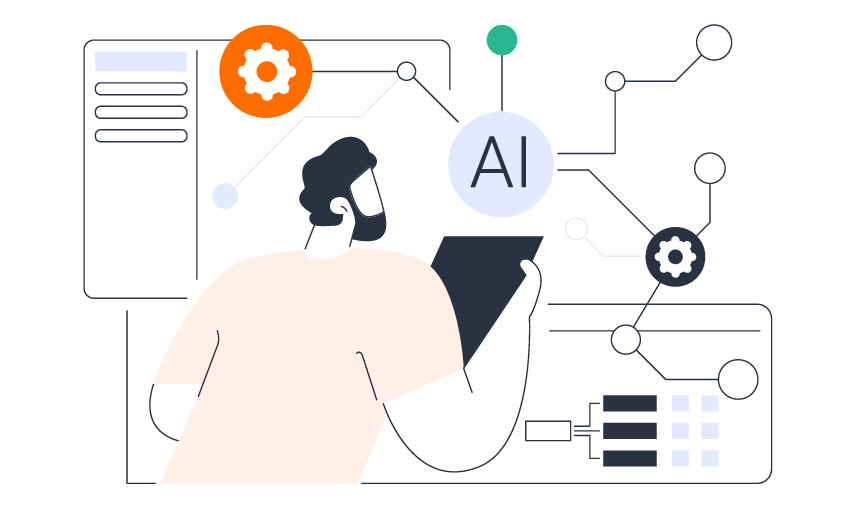
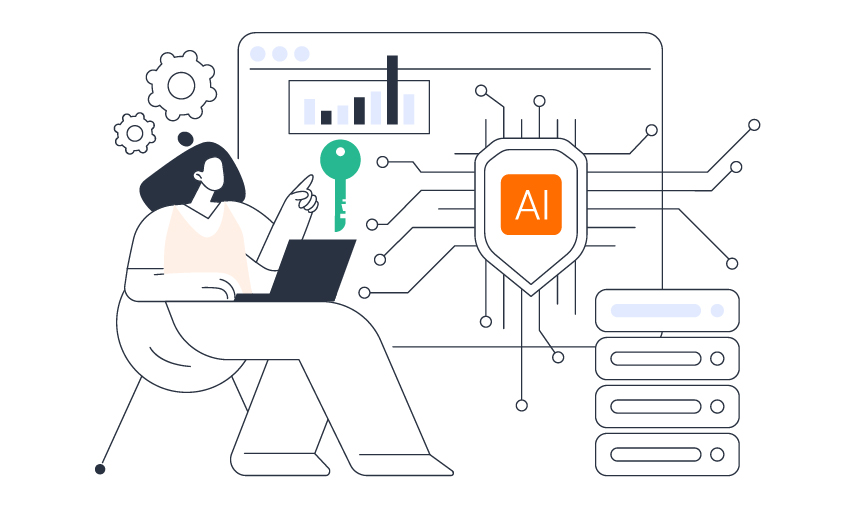

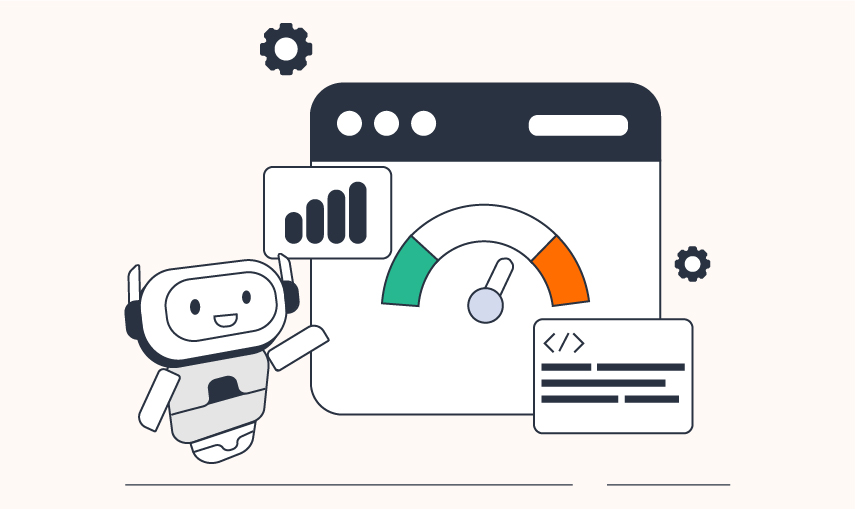

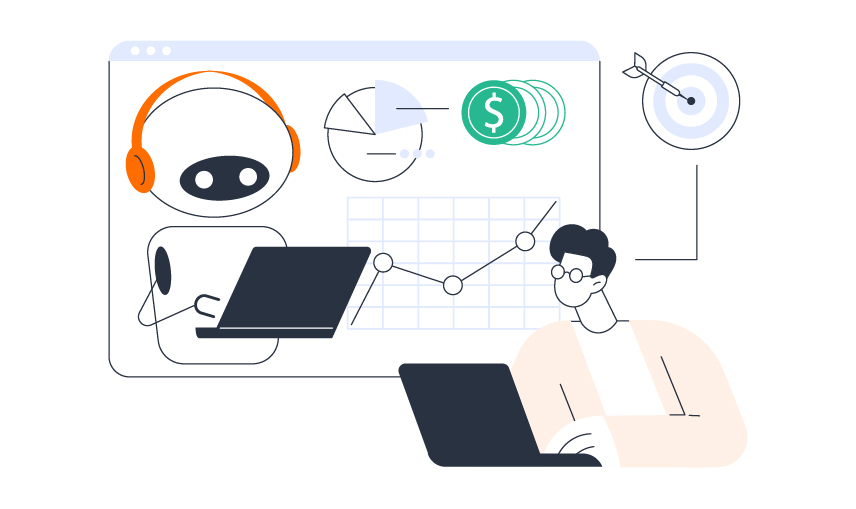

Identify specific decisions or processes that can benefit from AI.

Evaluate the availability, quality, and readiness of data.

Build and validate models under realistic conditions.

Continuously improve performance based on real-world usage.
Smart solutions tailored to fit your goals and budget
Custom CRM systems that streamline customer management, automate processes, and improve sales and operational visibility.





Custom AI-powered solutions designed to automate workflows, improve decision-making, and accelerate business growth through intelligent technologies.


Scalable, secure, and high-performance websites built to support business operations, user experience, and long-term growth.


.png)

Modern, conversion-focused website designs built to improve user engagement, strengthen branding, and increase conversions.


Data-driven digital marketing strategies focused on increasing visibility, generating qualified leads, and driving measurable ROI.




Complete business package to generate leads, convert prospects, and retain customers, without the chaos of managing multiple vendors


Machine learning enables systems to learn patterns from data and make predictions or decisions without explicit programming. Unlike traditional software, which follows fixed rules, machine learning adapts to new data, improving performance over time and handling complex, dynamic problems more effectively.
Development timelines vary. Simple models can be built in a few weeks, while more complex, production-ready systems with integration and validation may take several months.
Yes. AI solutions are typically deployed using APIs or integrated directly into existing workflows, ensuring minimal disruption to current operations. Get a personalized quote to see how AI can fit into your specific systems and processes.
We prioritize interpretability, clear model behavior, and measurable outputs. This ensures stakeholders understand how decisions are made and can trust the system’s recommendations.
Artificial intelligence (AI) is the broader concept of machines performing tasks that typically require human intelligence. Machine learning (ML) is a subset of AI that enables systems to learn from data and improve performance over time without being explicitly programmed.
Not always. While more data helps, many use cases can be addressed with structured, moderate datasets if properly prepared.


F 177, 4th Floor, Phase 8b, Sector 74, India

U 1, 125 Railway Terrace, Ascot Park SA 5043 (ABN: 47 437 005 145).

1242 Monte Vista Ave #2, Upland, CA 91786, United States.

Manchester, United Kingdom Quay St, M3.


© 2026 Aron Web Solutions. All rights reserved.
India operations and client engagements are independently managed by Aron Web Solutions (CIN: U72900PB2021PTC053225).